
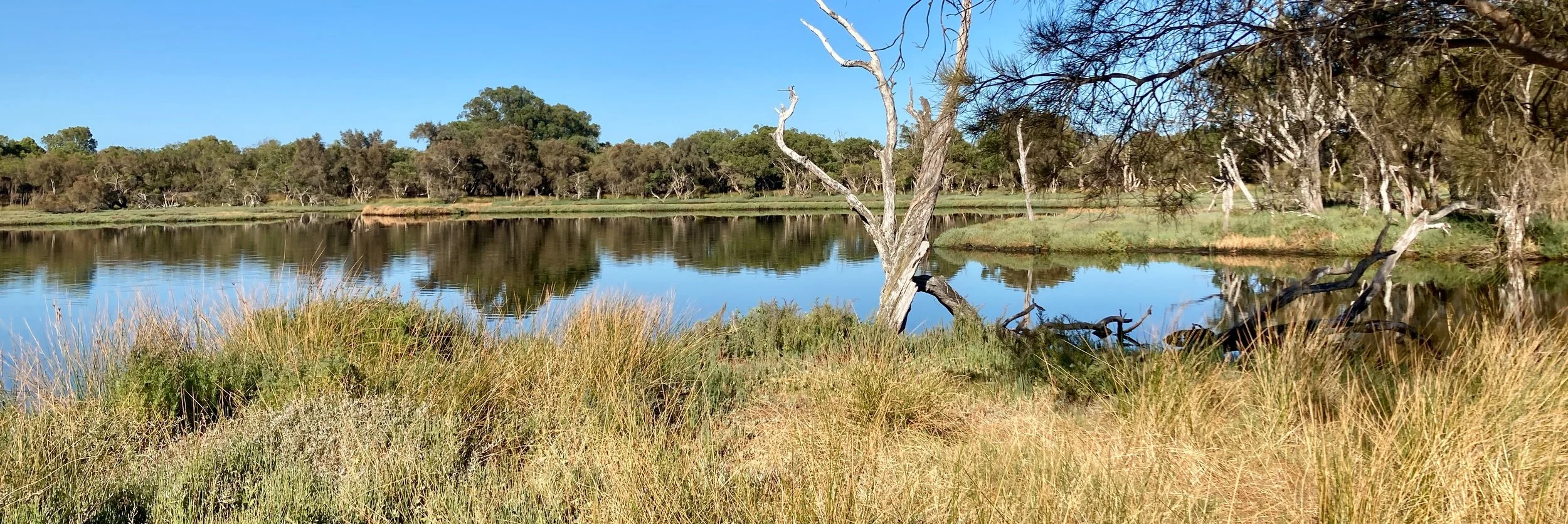
The Peel-Yalgorup Wetlands
I spent many years teaching and photographing the underwater world before turning my focus to bird photography in 2011. Those years beneath the surface continue to shape the way I work, fostering patience, awareness, and a deep appreciation for quiet, natural moments.
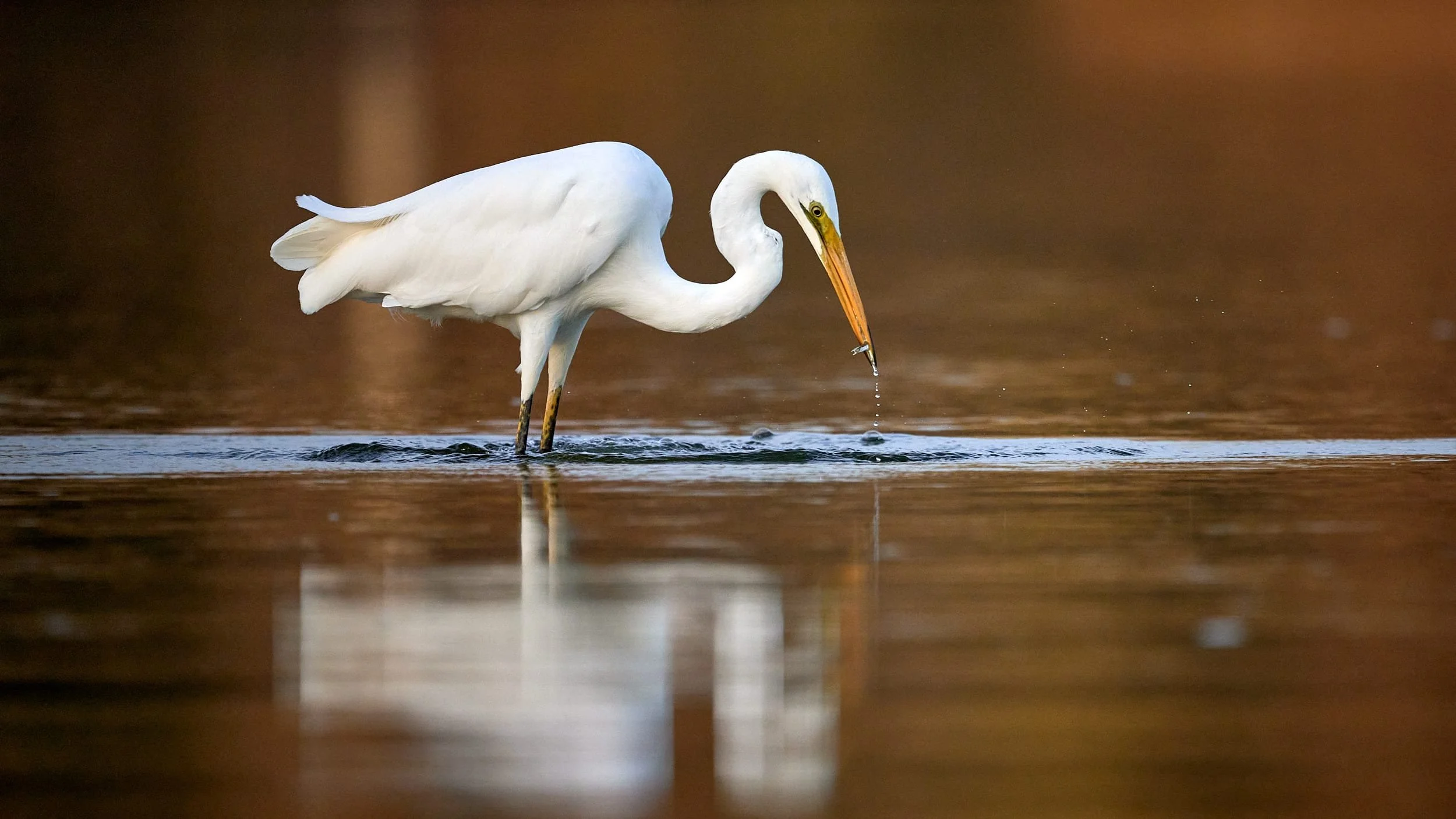
Today, my photographic work centres on the avian world. I’m fortunate to have the Peel–Yalgorup Wetlands virtually in my backyard—an internationally significant Ramsar site that supports both migratory and resident waterbirds in Australia’s south-west.
The Peel–Yalgorup wetland system forms part of the East Asian–Australasian Flyway, one of the world’s great annual shorebird migration routes.
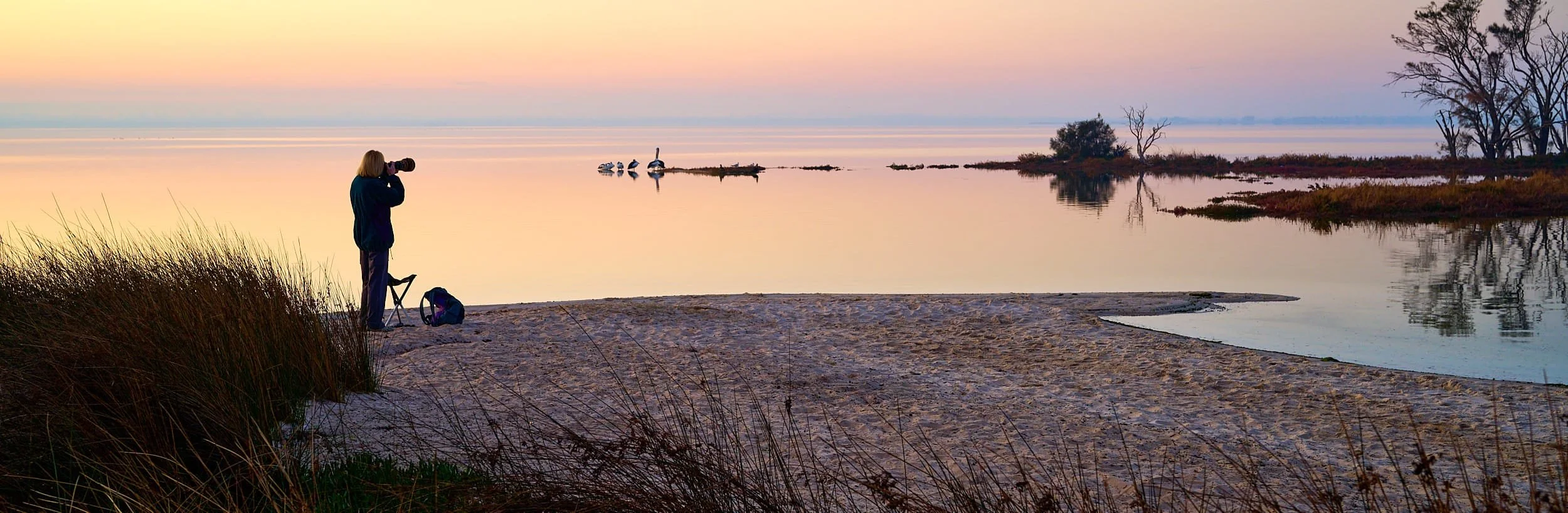
The wetlands are a combination of a shallow saline estuary and brackish freshwater lakes that is used by tens of thousands of waterbirds, including large numbers of migrant shorebirds from the northern hemisphere.
Vegetation consists of fringing samphire flats, giving way to rushes, sedges and trees tolerant of waterlogging with open woodlands.
The site is the most important area for waterbirds and waders in Southwest Australia, regularly supporting over 20,000 birds.
The galleries below offer a glimpse into time spent watching, waiting, and photographing within this remarkable environment that is the Peel–Yalgorup Wetlands.
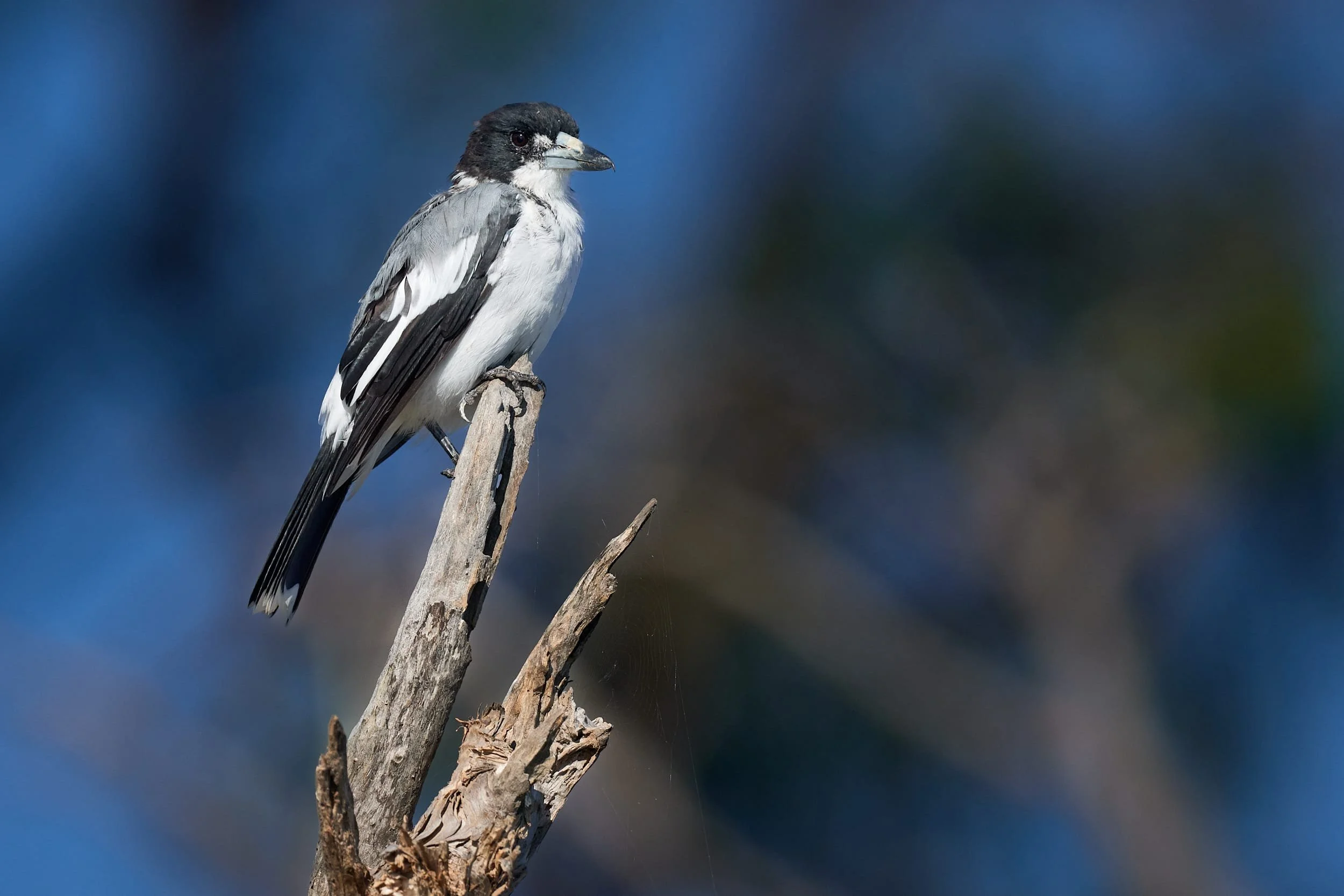
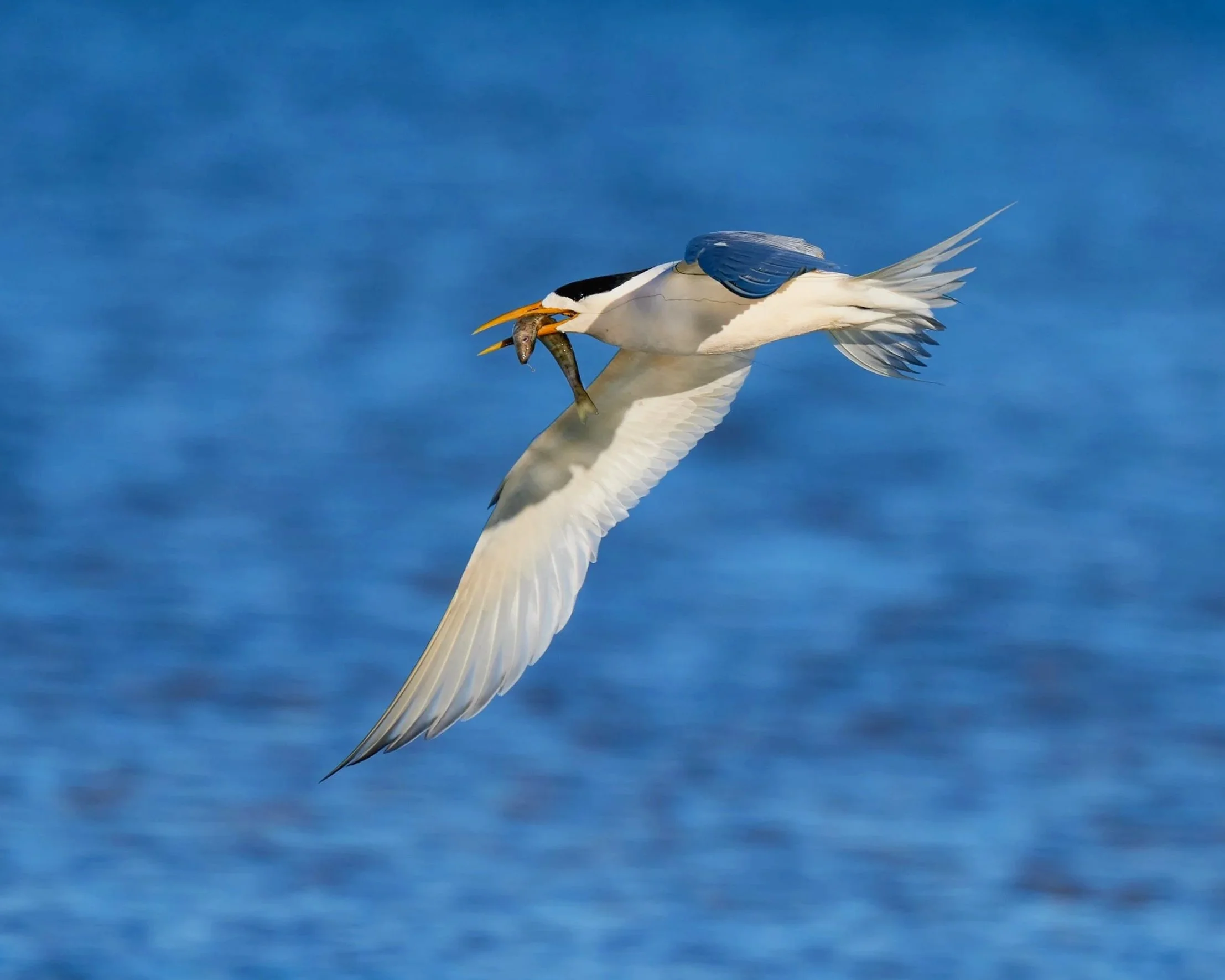
The Sacred Kingfisher (Todiramphus sanctus) is a medium-sized woodland kingfisher that occurs in mangroves, woodlands, coastal area’s forests and rivers in Australia, New Zealand and other parts of the western Pacific.
Sacred Kingfishers forage mainly on the land, only occasionally capturing prey in the water. They feed on crustaceans, reptiles, insects and their larvae and, infrequently, fish.